
The Moveee team
Free coaching · a real route for every ride
TrainerRoad is, for a lot of riders, the most effective pure-training tool there is — adaptive plans, brilliant structure, and a deliberate refusal to distract you with graphics. But that last part is exactly why some people go looking for a TrainerRoad alternative with a world: the training works, but staring at a blank interval graph for an hour is grim. Here's how to keep the structure and add somewhere to look.
Why "no world" is TrainerRoad's feature and its problem
TrainerRoad drops the scenery on purpose — the argument is that a game distracts from the work. Fair enough. But for endurance rides and long sweet-spot blocks, "no distraction" tips over into "no reason to keep pedalling." A real road on the screen isn't a toy; it's the difference between an hour that drags and one that passes.

What you keep, and what changes
Structured intervals with clear on-screen targets
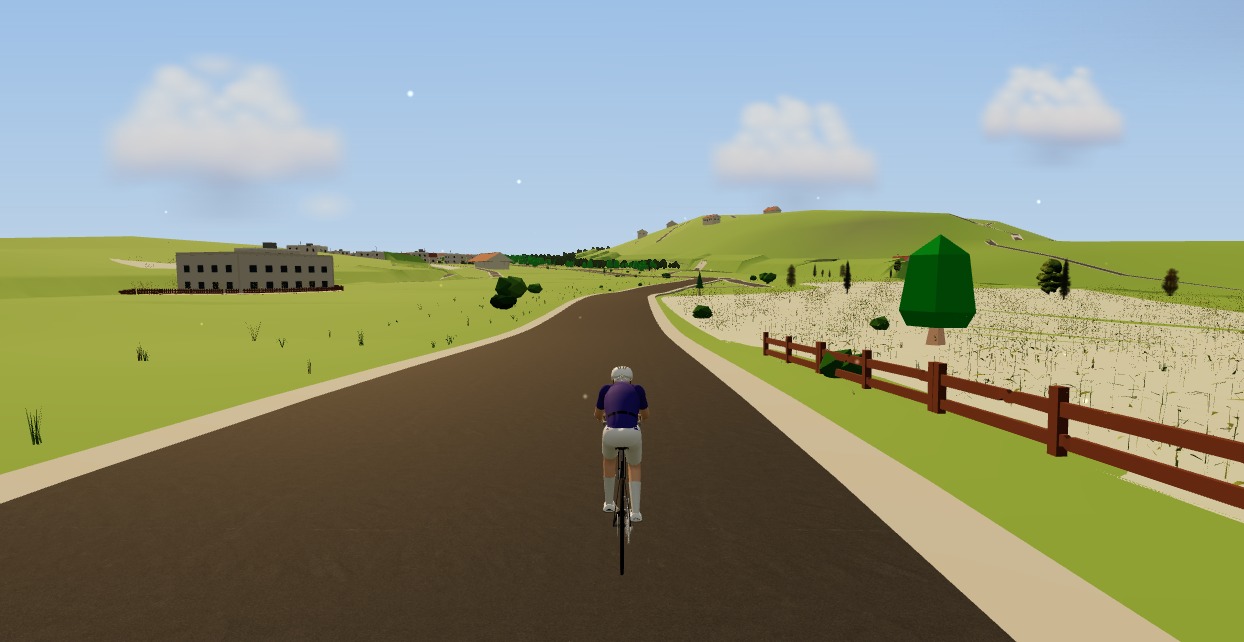
Now against a real 3D road instead of a blank graph
ERG mode holding your watts
Same — set it and turn the pedals
Power-based training that actually builds fitness
Rides feed your training plan the same way
Discipline and repeatability
Plus scenery, so the dull sessions drag less
The honest caveat
TrainerRoad's real magic is its adaptive plan engine — years of data reshaping your training around what you actually complete. If that's why you pay for it, an alternative "with a world" isn't a like-for-like swap on the coaching side. Be clear about whether you're leaving for the scenery or for the structure, because they're different reasons.
Structure plus real roads, free
Moveee Indoor holds structured-workout targets in ERG mode — so your intervals are as precise as ever — but runs them against your own saved routes, rebuilt in 3D from real map and elevation data. It's free while in alpha, runs entirely in the browser with nothing to install, and rides save with full power data into your Moveee training plan, which reshapes itself around what you actually ride. So you get the structure and the adaptive-plan idea — with a real road to look at.
If the training was working but the boredom was winning, you don't have to choose. Keep the structure; add the world.
Keep reading

How to build a cycling training plan around a full-time job
You don't need 12-hour weeks to get properly fast — you need the right 6–8 hours, placed where your life can actually hold them. Here's how to anchor a working week around two quality sessions and one long ride, what to cut first when work explodes, and why a plan that adapts beats a plan that's perfect.

How many TSS per week do you actually need?
TSS puts one number on how much training you've done — but how much is enough, and when does more stop helping? Realistic weekly ranges by rider level, the ramp-rate rule that keeps you improving without breaking, and why chasing the number corrupts the training it's meant to measure.