
The Moveee team
Free coaching · a real route for every ride
An indoor ride is real training, so it should show up in your log like any other. If you want to record an indoor ride to Strava — without Zwift, and without losing any of the data that makes indoor training worth doing, here's how it works with a free browser app, and why "it saves even if your connection drops" matters more than it sounds.
What actually gets recorded
A trainer ride is a rich recording — arguably richer than an outdoor one, because the power is measured, not estimated. A good indoor app captures all of it:
Power (watts)
Cadence (rpm)
Speed & virtual distance
Heart rate (if paired)
Elevation gain of the route
Duration & time in zones

The part nobody thinks about until it bites: not losing the ride
The worst thing an indoor app can do is lose a hard session because the Wi-Fi hiccuped or the laptop slept. A well-built app records the ride locally as you go, so a dropped connection doesn't erase your effort — the data is safe on the device, and the upload happens when you finish. If you've ever finished a brutal 40-minute test only to watch it vanish, you know why this is the feature that actually matters.
From trainer to Strava, step by step
- Ride your session in a browser trainer app (Chrome or Edge), with your trainer paired over Bluetooth.
- Finish — the app closes out the recording and saves it with full power data.
- Connect Strava once. Authorise the app the first time and it remembers.
- Upload. The ride posts to Strava as a virtual ride, complete with power, and shows up in your feed like any other.
Record to Strava — and to a training plan that uses it
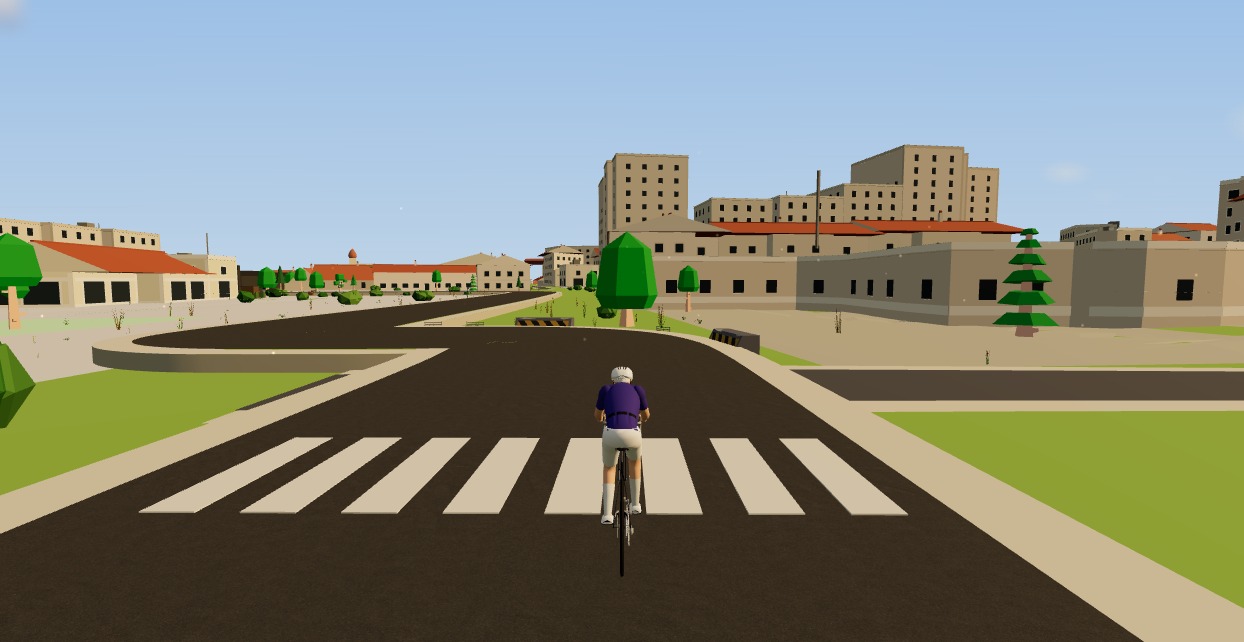
With Moveee Indoor, every indoor ride records locally as you pedal, saves with full power data, and uploads to Strava — no Zwift required. Better still, the same ride lands in your Moveee training log, so it counts toward your Fitness, Fatigue and Form exactly like an outdoor ride. It's free while in alpha and runs entirely in the browser.
Indoor miles shouldn't be stranded in a silo. Record them properly, keep the power data, and let them count.
Keep reading

How to build a cycling training plan around a full-time job
You don't need 12-hour weeks to get properly fast — you need the right 6–8 hours, placed where your life can actually hold them. Here's how to anchor a working week around two quality sessions and one long ride, what to cut first when work explodes, and why a plan that adapts beats a plan that's perfect.

How many TSS per week do you actually need?
TSS puts one number on how much training you've done — but how much is enough, and when does more stop helping? Realistic weekly ranges by rider level, the ramp-rate rule that keeps you improving without breaking, and why chasing the number corrupts the training it's meant to measure.