The Moveee team
Free coaching · a real route for every ride
If you've searched for an indoor cycling app for Mac, you've probably hit the same wall: the big names are built Windows-first, the Mac build lags, and half the forum threads are people troubleshooting a download that won't behave on macOS. The good news in 2026 is that the best answer isn't a download at all — a modern Mac runs a full smart-trainer session straight from a browser tab.
This guide covers what actually works on macOS, the one setting that trips people up on Apple Silicon, and how to go from a cold trainer to riding a real 3D road in about five minutes — without installing a thing.
Why "no download" is the right answer on a Mac
macOS is exactly where a browser-based app shines. There's no .dmg to mount, no "app from an unidentified developer" warning to click through, no launcher that wants to update itself before every session, and nothing eating 12 GB of an already-tight SSD. You open a tab, pair your trainer, and ride. When you close the tab, it's gone — no background processes, no login items.
What you need (the honest checklist)
A Mac from roughly the last decade
Any Intel or Apple Silicon Mac (M1–M4) handles a browser-rendered 3D world comfortably.
Chrome or Edge (not Safari)
The smart-trainer connection uses Web Bluetooth, which Safari doesn't support. Install Chrome or Edge — both are free.
A smart trainer or power meter
Anything speaking standard FTMS or Cycling Power over Bluetooth — Wahoo, Tacx, Elite, Saris and the rest.
Bluetooth switched on
Every Mac has it built in. No ANT+ dongle, no USB stick, nothing to plug in.
The one thing to watch: Safari won't do it
This is the single most common stumbling block for Mac riders. Safari is a fine browser, but it does not implement Web Bluetooth — the standard a web app uses to talk to your smart trainer. So an indoor cycling app for Mac that connects to your trainer needs Chrome or Edge, both of which run natively on Intel and Apple Silicon. Once you're in the right browser, pairing takes one click and a moment for macOS to show the Bluetooth device picker.
Apple Silicon: no special build required
M-series Macs are, if anything, better at this than the old Intel machines — the browser renders a 3D world on the GPU with power to spare, and the whole thing stays cool and quiet. You don't need a "Mac version," a Rosetta workaround or a native app. The browser is the app.
From cold trainer to a real road in five minutes
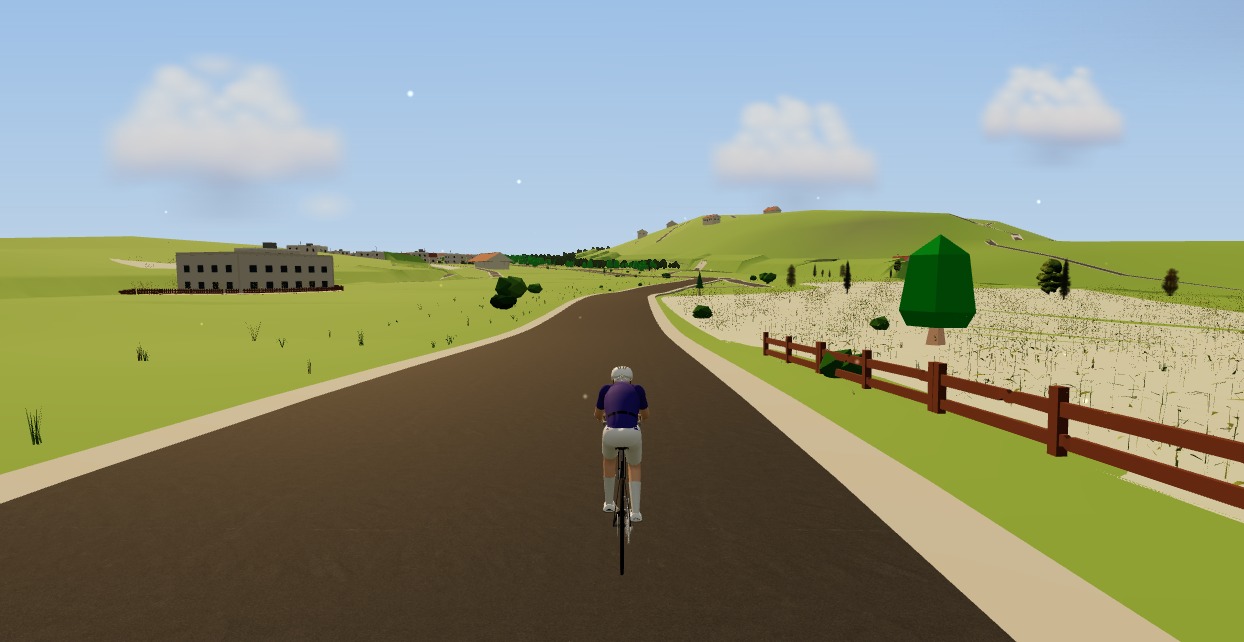
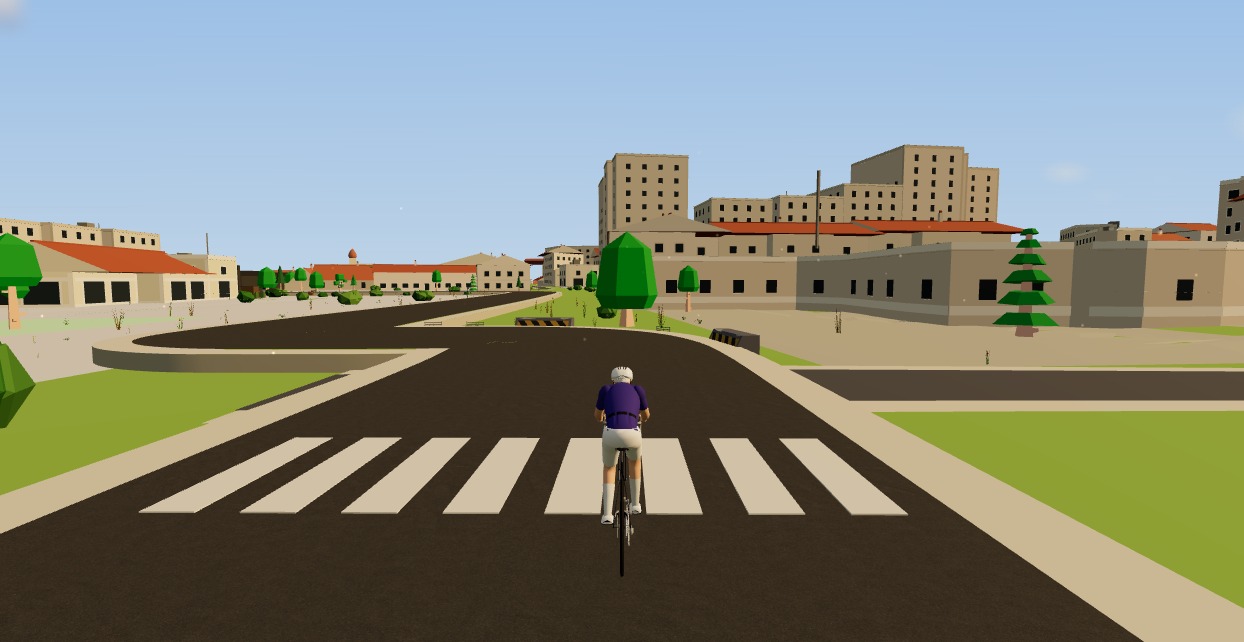
That's the gap Moveee Indoor was built to fill on a Mac. Instead of a fictional island, it renders your own saved routes in 3D from real OpenStreetMap and elevation data — the actual streets, buildings and climbs the road follows. Open it in Chrome or Edge on your Mac, click to pair your trainer over Bluetooth, pick a route, and ride. Gradients drive the resistance, ERG mode holds your interval targets, and the ride saves with full power data.
It's free while it's in alpha, it's Chrome/Edge only for now, and rides count toward your Moveee training plan just like an outdoor ride. If you've been hunting for an indoor cycling app for Mac that doesn't fight your machine, the shortest path is the one with nothing to install: open a tab and go.
Keep reading

How to build a cycling training plan around a full-time job
You don't need 12-hour weeks to get properly fast — you need the right 6–8 hours, placed where your life can actually hold them. Here's how to anchor a working week around two quality sessions and one long ride, what to cut first when work explodes, and why a plan that adapts beats a plan that's perfect.

How many TSS per week do you actually need?
TSS puts one number on how much training you've done — but how much is enough, and when does more stop helping? Realistic weekly ranges by rider level, the ramp-rate rule that keeps you improving without breaking, and why chasing the number corrupts the training it's meant to measure.