
The Moveee team
Free coaching · a real route for every ride
FulGaz and Kinomap built their appeal on the same idea: ride real roads indoors, shown as real filmed video. It's a lovely concept. But if you want a FulGaz and Kinomap alternative — because of the subscription, the download, or because the road you want to ride isn't in their video library — there's another way to put real roads on the trainer, and it's free.
Filmed video vs 3D reconstruction
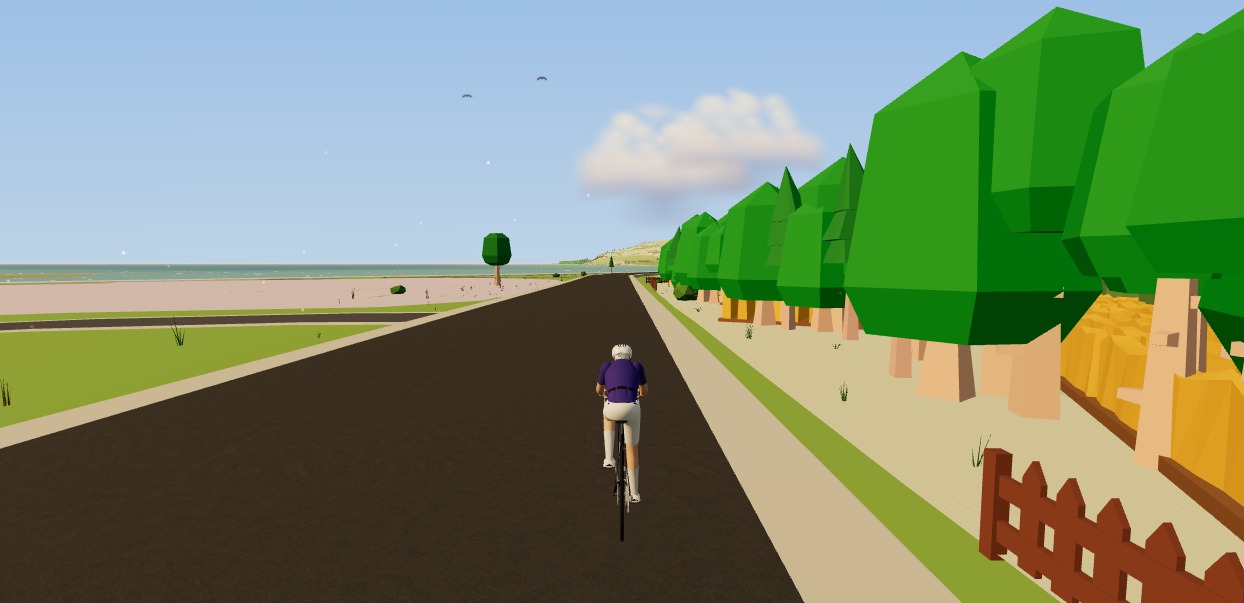
FulGaz and Kinomap use video: someone rode the road with a camera, and your avatar rides over the footage. The alternative here rebuilds the road in 3D from the same map and elevation data your GPS uses. Both give you real roads and gradient-linked resistance; they differ in look and freedom.
| FulGaz / Kinomap (video) | Moveee Indoor (3D) | |
|---|---|---|
| How roads are shown | Real filmed video of the road | Rebuilt in 3D from map + elevation data |
| Ride your own routes | Only what's in their filmed library | Any route you draw or import |
| Price | Subscription | Free (alpha) |
| Install | App download | None — browser tab |
| Gradient → resistance | Yes | Yes |
| Saves to Strava | Yes | Yes |
Where the video apps win
Photorealism, plainly. Real footage of a real climb looks like exactly that. If your goal is to see the precise, photographic look of a specific famous route, filmed video is unbeatable — a 3D rebuild is a clean, stylised version of the same road.
Where a 3D alternative wins
Freedom and price. Because Moveee Indoor builds roads from map data rather than footage, you aren't limited to what a camera crew filmed — any route you draw or import can be ridden, including your local lanes and a race course you've entered. It runs in the browser with nothing to install, the real gradient drives your trainer, and it's free while in alpha. Rides save with full power data to your Moveee plan and Strava.
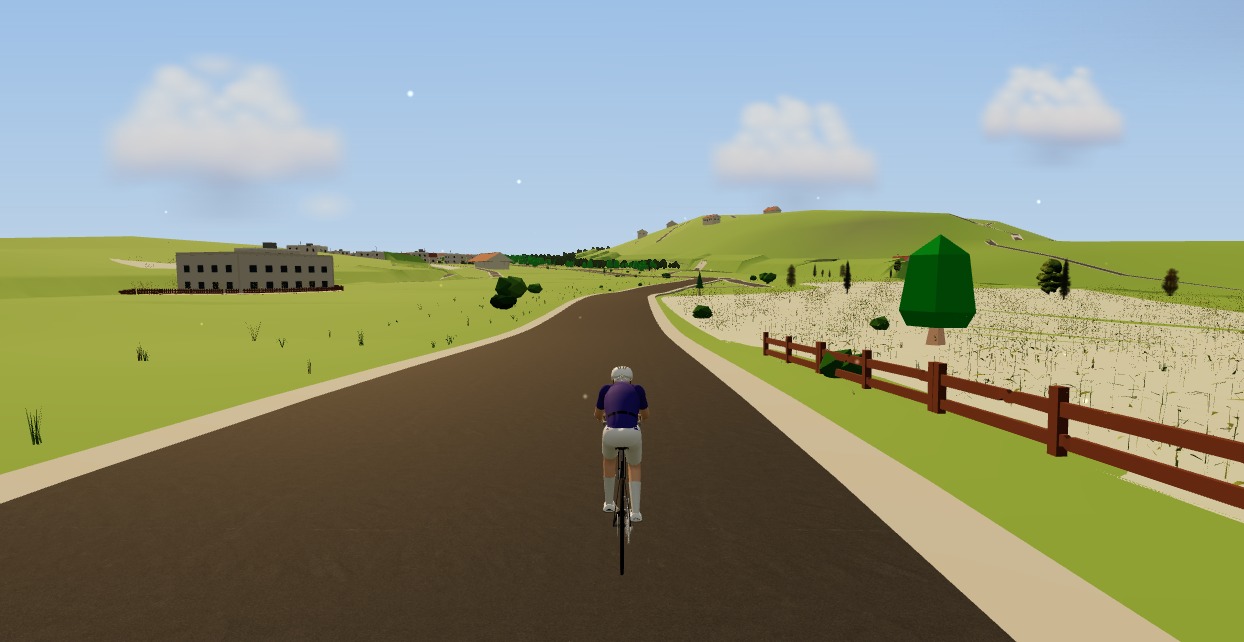
If you loved FulGaz or Kinomap for the real roads, a 3D alternative gives you that with far more choice over which roads. If you loved them specifically for the photographic video, they still own that. Pick for the reason you fell for real-road riding in the first place.
Keep reading

How to build a cycling training plan around a full-time job
You don't need 12-hour weeks to get properly fast — you need the right 6–8 hours, placed where your life can actually hold them. Here's how to anchor a working week around two quality sessions and one long ride, what to cut first when work explodes, and why a plan that adapts beats a plan that's perfect.

How many TSS per week do you actually need?
TSS puts one number on how much training you've done — but how much is enough, and when does more stop helping? Realistic weekly ranges by rider level, the ramp-rate rule that keeps you improving without breaking, and why chasing the number corrupts the training it's meant to measure.